
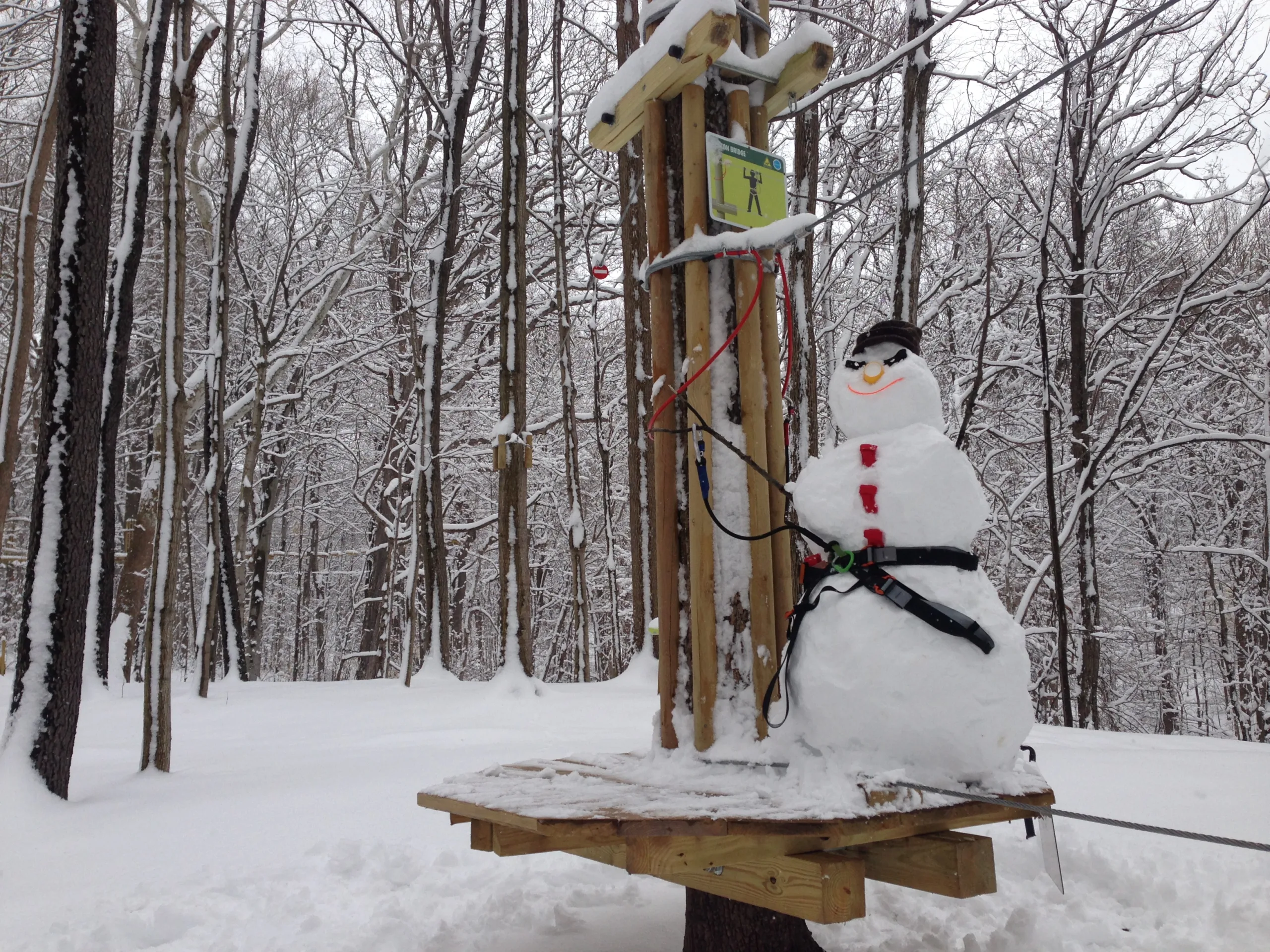
Winter Blues? Nature is Your Secret Weapon
When the days are shorter and the skies are gray, it’s easy to feel… well, a little blah. Seasonal affective disorder (“SAD”), stress, and holiday burnout can take a toll on your mental and physical health.
The good news? Spending time outdoors — even in the middle of winter — can boost your mood, improve energy, and help you reconnect with yourself and your loved ones. There are endless benefits of outdoor activities to get a winter mood boost!
How Does Being Outdoors Improve Your Mood?
1. Sunlight & Vitamin D
Even short bursts of sunlight trigger your brain to release serotonin, the “feel-good” chemical.
- Tip: Morning walks, treetop courses, or just stepping outside for 15 minutes can make a difference.
2. Physical Activity Reduces Stress
Climbing, hiking, or even brisk walking increases endorphins, reducing stress and anxiety naturally.
Go Ape Idea: Try a short adventure course or zipline session to get both movement and fresh air in one go.
3. Nature Helps You Recharge Mentally
Studies show that being in natural environments improves focus, reduces rumination, and enhances creativity. Even short outdoor breaks between work-from-home tasks can boost productivity and mood.
4. Social Connection Counts
Outdoor adventures are often shared experiences. Laughter, teamwork, and shared accomplishment elevate oxytocin — the “bonding hormone.”
Tip: Invite a friend or family member for a winter hike, forest walk, or treetop adventure to double the mood benefits.
Winter-Ready Local Outdoor Options
Even if winter is cold where you live, there are plenty of ways to get outdoors and reap the mental health benefits:
- Urban Forest Walks: Local parks or trails are perfect for short daily doses of greenery.
- Hiking & Trail Walking: Layer up, pick a sunny afternoon, and enjoy the crisp air.
- Treetop Adventure Courses: Ziplining or obstacle courses give a thrilling combination of exercise, focus, and fresh-air fun.
- Evening Stargazing: Bundle up and enjoy quiet outdoor reflection which reduces stress naturally.
- Nature Journaling or Photography: Combines mindfulness and outdoor time — perfect for winter creativity.
Winter Doesn’t Have to be Blue
Winter doesn’t have to mean low energy or low mood. Natural light, movement, and social connection all boost mental well-being, and you don’t need to travel far! Even your backyard, local park, or a nearby Go Ape adventure course can make a huge difference.
Pro Tip: Make a plan this winter to get outside regularly – whether it’s a treetop challenge, trail walk, or simple sit outside. Your mind and body will thank you.
Quick Q&As:
Q: Can outdoor activity really help with seasonal affective disorder (SAD)?
A: Yes! Even short daily exposure to natural light and movement outdoors can reduce symptoms of SAD, improve energy, and elevate mood.
Q: What if I live in a really cold area?
A: Winter doesn’t have to keep you inside. Layered clothing, local parks, and adventure courses like Go Ape offer safe, stimulating outdoor options.
Q: How often should I get outside for mood benefits?
A: Studies suggest at least 20–30 minutes per day in natural light and moderate activity, but more is even better if you can swing it.
About Go Ape
Go Ape believes in creating spaces where people of all ages and abilities can escape the ordinary, rediscover their courage, and embrace the thrill of discovery. Here, in the treetops or along scenic paths, lifelong bonds are forged, confidence is renewed, and laughter echoes through the canopy. Go Ape isn’t just an activity; it’s a movement to reconnect with what truly matters: people, place, and purpose.
Go Ape isn’t just an activity. It’s a movement to reconnect with what truly matters: people, place, and purpose. Let’s rise above together. Visit goape.com.
Find Your Go Ape location:
- Arlington-Dallas, Texas
- Plano, Texas
- Houston-Sugarland, Texas
- Williamsburg, Virginia
- Raleigh-Durham, North Carolina
- Memphis, Tennessee
- Bear, Delaware
- Chicago, Illinois
- Indianapolis, Indiana
- Kansas City, Missouri
- Cleveland, Ohio
- Springfield, Virginia (Washington DC)